Art is not always subjective—at least in the world of CT scanning. Sometimes, the high or low quality of an image has little to do with personal taste. There are definitely a few ...
Battle Against the Void: Combining Voids and Inclusions in One Analysis
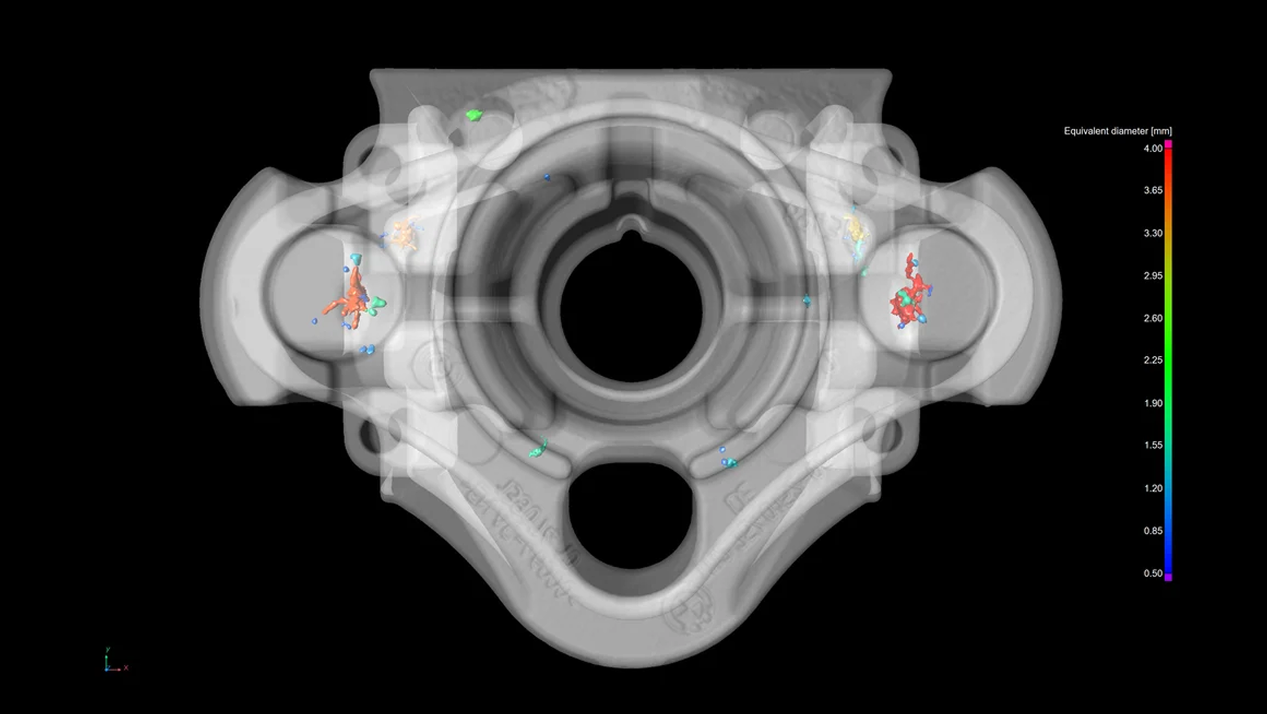
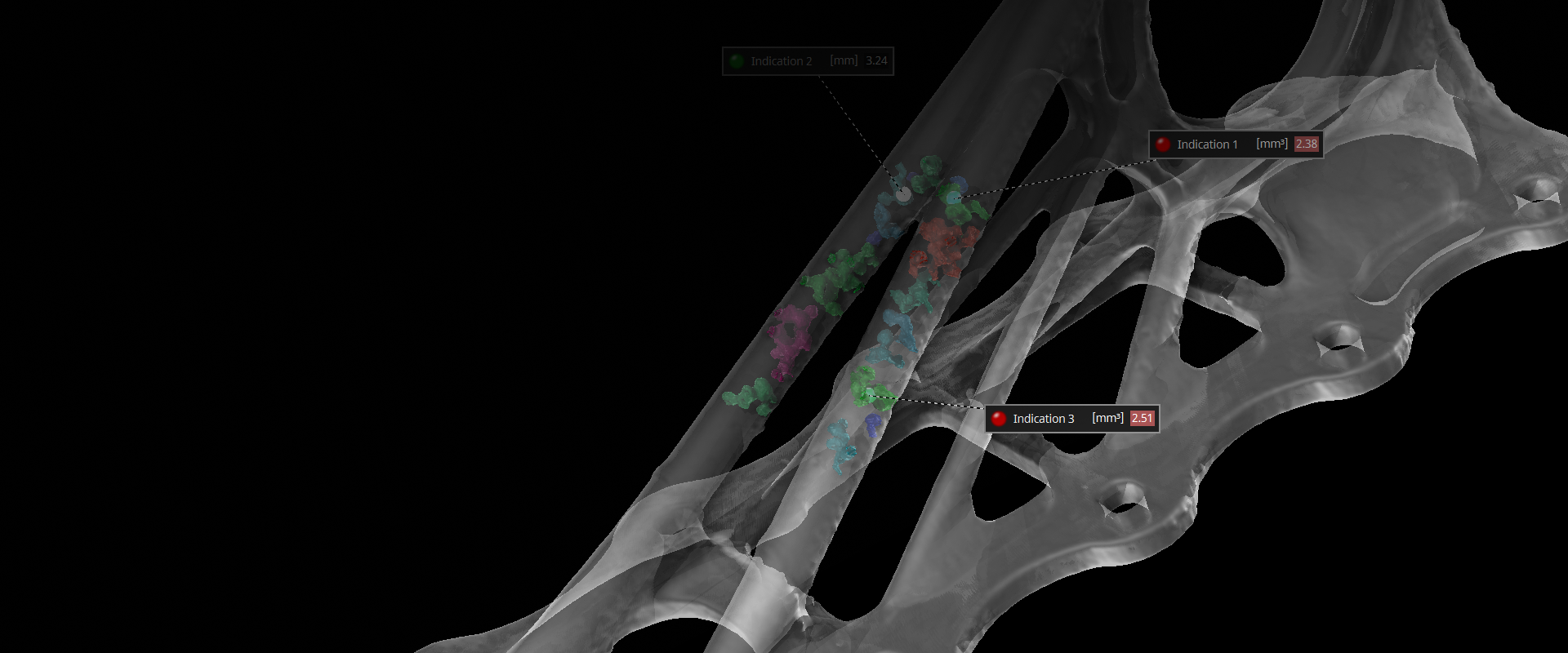
No one likes pores—even on CT scans. But as long as they don't compromise the stability of the part, we can live with them. This applies especially in castings, injection moldings...
TLDR; A DIN A4 brochure has 2480 x 3508 pixels at 300 dpi. Print resolution refers to the level of detail in a printed image. It can be measured in dots per inch ...
Power to the PAPR: Reverse Engineering in the Pandemic
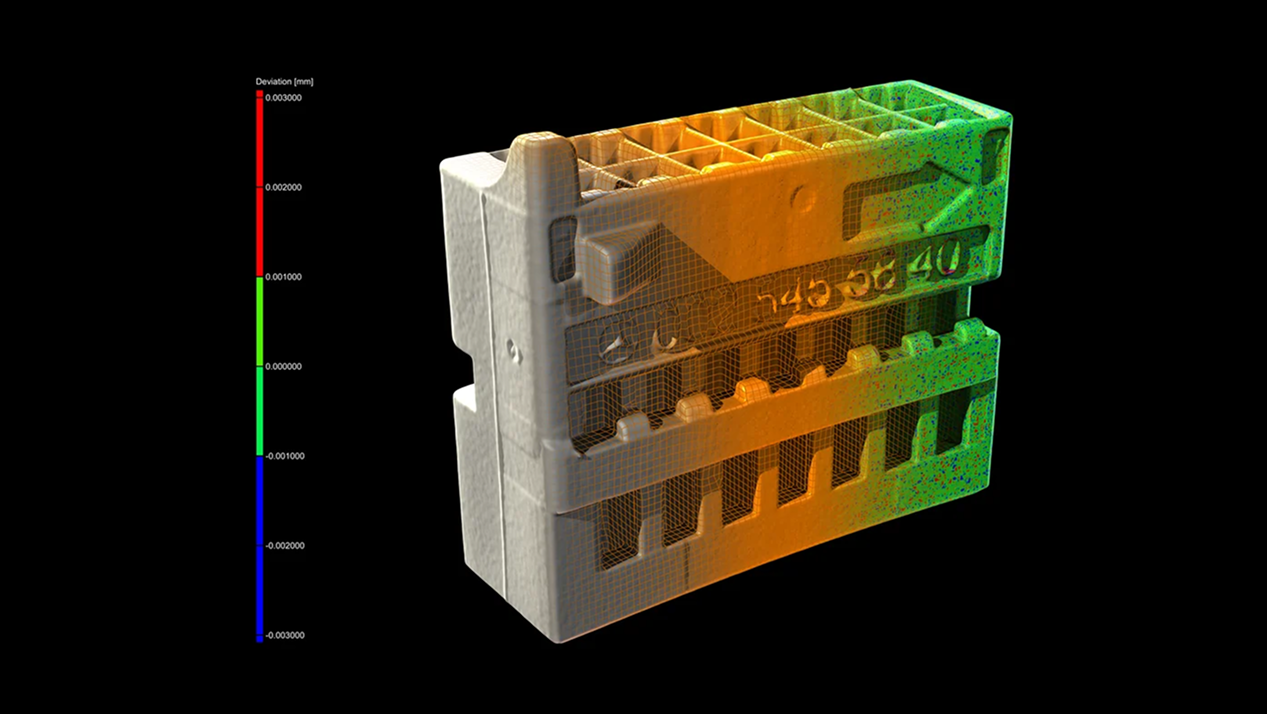
By working with ROIs created from geometry elements, we can extract them along with the determined surface and use them as our starting contour. We can then convert the volumes to...
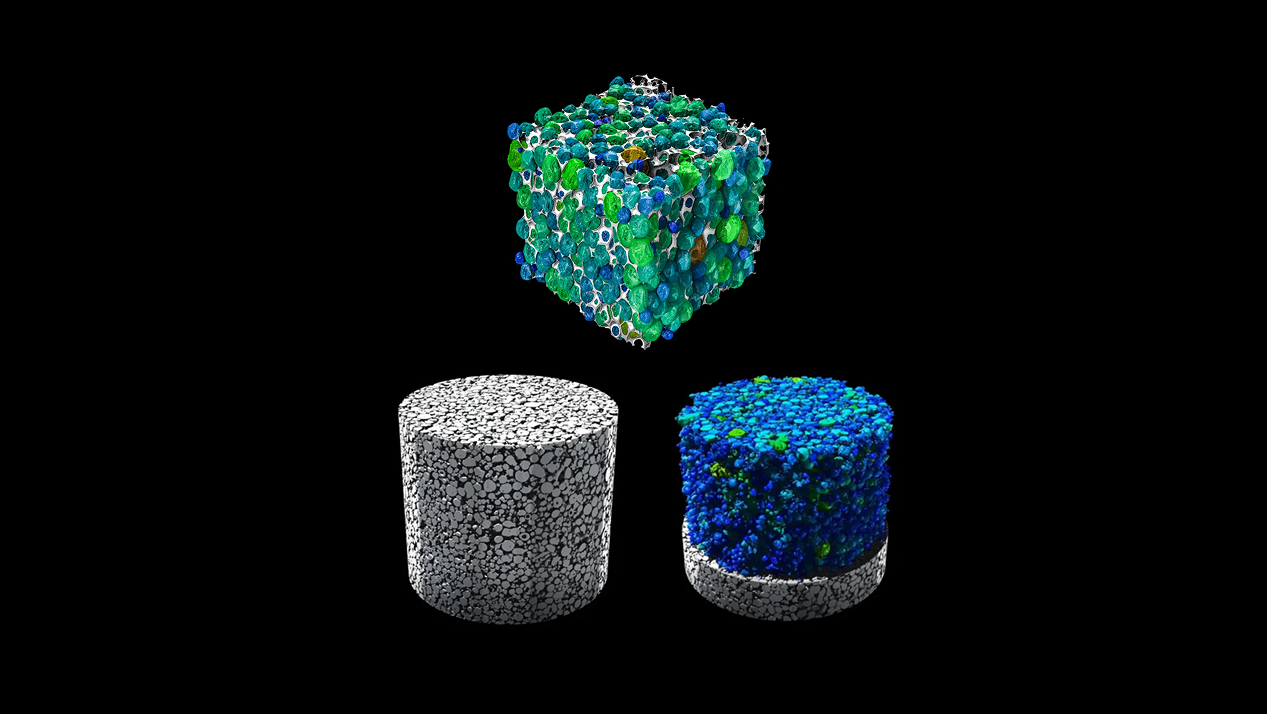
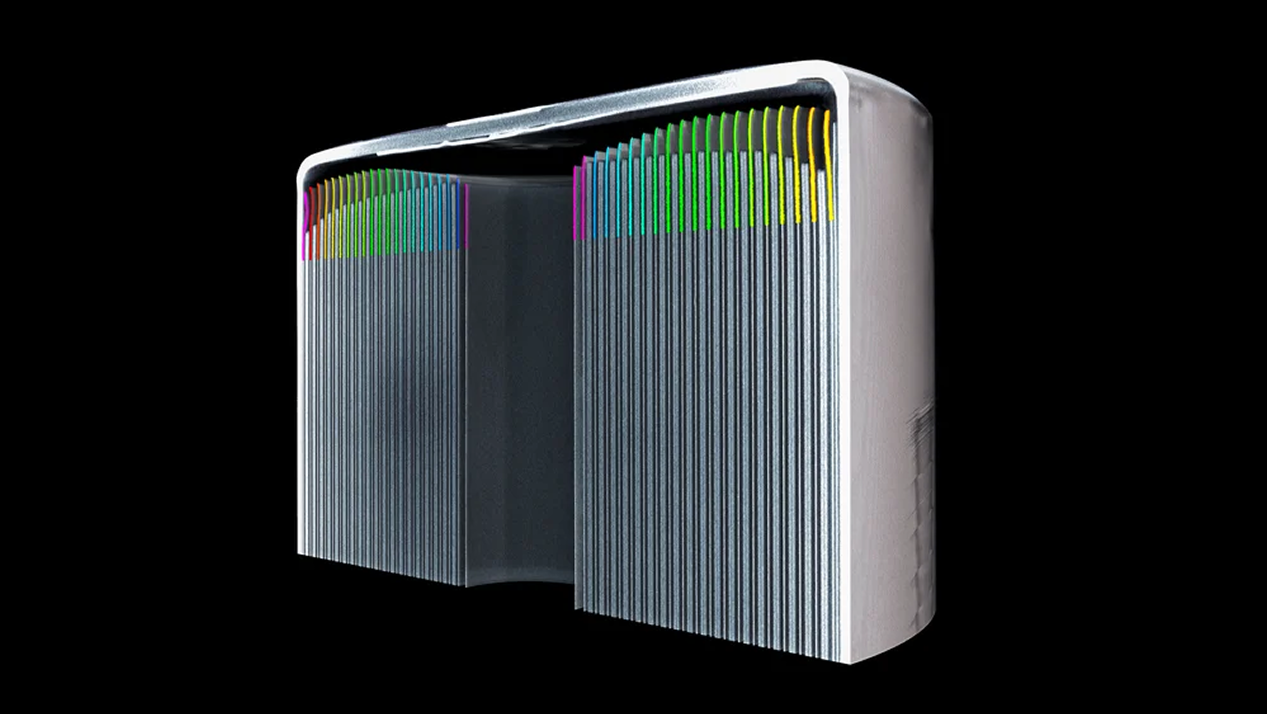
We often use CT to peek inside cylindrical objects, like pipes, battery cells, rods, and drill cores. And cakes. Contrary to popular belief, you can have your ...
The Egger-Lohner C2 Phaeton—which looks rather like a horse-drawn relic from the olden days—is not quite the first electric racecar that comes to mind, but in September 1899, it ...
What is Directional Variability? Directional variability shows us how analysis values change and how they change along a specified direction.Let's take porosity as ...
We never thought we'd say it, but in some cases, less is indeed more. Less weight, less time, less budget—but more speed. At least, that is what UPBracing, the student team from ...
VGinLINE is available in pre-configured packages designed for the most common tasks across various industries, offering considerable savings compared to purchasing individual ...